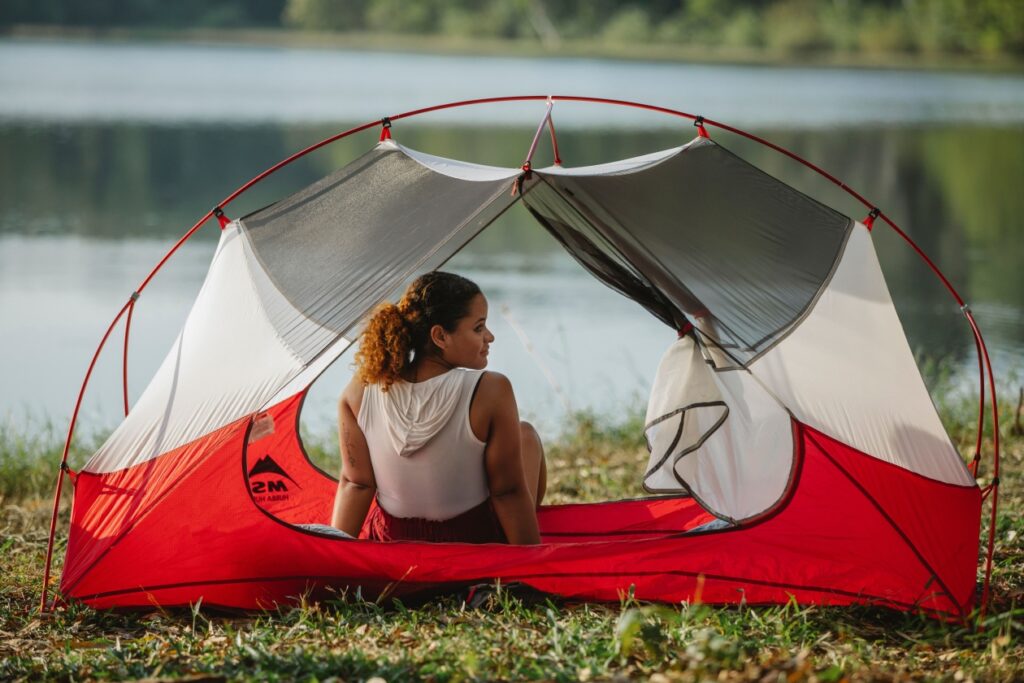
A few years ago, a woman pitching a tent alone was treated as either fearless or reckless — there wasn’t much room in between. That’s shifted. Solo camping trips led by women have gone from a rare sight at most campgrounds to a genuinely common one, and the shift shows up everywhere from gear design to campground amenities to the sheer number of “how I started solo camping” posts filling up outdoor forums and social feeds.
Why now?
Part of it is access to information. A decade ago, figuring out how to camp alone safely meant trial and error or tagging along with someone more experienced. Now there’s an entire ecosystem of women documenting exactly how they do it — which campgrounds feel safe, what gear actually works for a one-person setup, how to handle the logistics of driving, setting up, and sleeping alone without a built-in safety net. That knowledge used to be scarce. Now it’s searchable.
Part of it is the gear itself catching up. Solo-friendly tents, one-person cook setups, and comfort-first sleep systems used to be an afterthought in a market built around families and couples. That’s changed too — there’s now a real market for gear designed around one person doing everything themselves, not just a smaller version of a two-person setup.
And part of it is simpler than either of those: more women are deciding that waiting for the right companion to go camping isn’t worth waiting for anymore.
What’s actually different about camping alone
The logistics change more than people expect. Setup and breakdown take longer since there’s no second set of hands. Decision fatigue is real — every call, from where to park to when to call it a night, is entirely yours. And the quiet hits differently; solo campers consistently describe the first night alone as the hardest, and every night after as easier.
Safety planning looks different too, and most experienced solo campers treat it as non-negotiable rather than optional: telling someone your route and expected return, choosing established campgrounds over fully remote ones for a first solo trip, and trusting instinct over itinerary if a site doesn’t feel right.
Where this goes next
This isn’t a trend that looks like it’s peaking — it looks like it’s normalizing. The campgrounds, the gear, and the community knowledge are all catching up to a simple reality: solo camping was never actually about being fearless. It was about having the information and the gear to do it well, and that’s finally starting to exist.
More Around the Campfire
- Why Some Skiers Never Leave the Mountain: Camping and Skiing Combined
- The Coolest Camping Gadgets for 2026
- Bringing Your Dog Glamping: What to Know Before You Book
Gear Reviews
Comfort-tested picks worth packing on your next trip.

Want More Like This?
Join our list for new gear guides, campsite finds, and comfort-camping tips. No spam, unsubscribe anytime.