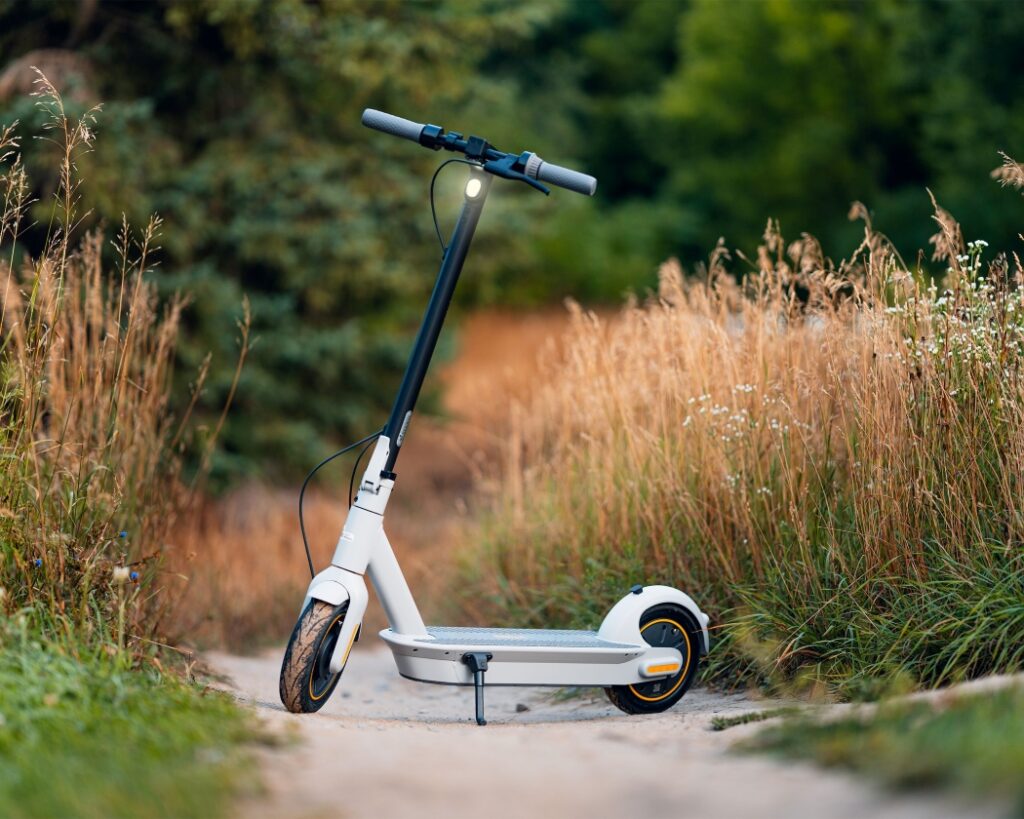
E-scooters, hoverboards, and similar devices are effectively being banned in national parks starting September 11, 2026 — prohibited by default in every park unless that specific park chooses to allow them.
Photo: Jonathan Pagaoa
What’s Actually Changing
The National Park Service is reclassifying e-scooters, hoverboards, Segways, electric skateboards, and similar devices into a brand-new category: “powered micromobility devices.” Until now, these were lumped in with motor vehicles under NPS rules. That’s no longer the case.
Under the new classification, these devices are prohibited by default in every national park — unless that specific park explicitly opts to allow them. It’s a real shift in how the rule works: instead of one national policy covering every park the same way, individual park superintendents now get direct control over whether, where, and how these devices can be used on their own land.
What Park Superintendents Can Actually Decide
If a park chooses to allow powered micromobility devices, superintendents have real flexibility in how they do it. They can open specific roads, parking areas, or paved and gravel paths to these devices while leaving the rest of the park closed to them. They can also set local limits on things like speed, which types of devices are allowed, and what hours they can be used.
A couple of things stay the same no matter what: e-bikes are covered under a separate set of rules and aren’t affected by this change, and federally designated wilderness areas remain completely off-limits to powered micromobility devices regardless of what any individual park decides.
What This Means If You’re Planning a Trip
If you were planning to bring an e-scooter, hoverboard, or similar device on an upcoming park visit, the rules you’re used to no longer apply uniformly. The right move is to check the specific park’s current regulations before you go, rather than assuming what worked at one park will work at another. Given how new this classification is, expect real variation from park to park as superintendents work out their own local policies over the coming months.
The Bottom Line
This is a genuine structural change, not just a minor rule tweak — it hands individual parks real authority over a category of device that used to be governed the same way everywhere. If a specific park is part of your travel plans, it’s worth a direct check with that park before you pack anything with wheels and a battery.
More Around the Campfire
- The Rise of the “Radius Run”: Skipping the Big Vacation for Camping Close to Home
- Flock Cameras, a Land Deal, and Wildfire Season: Yosemite in the Headlines
- The Hidden Art Scene Inside America’s National Parks
Gear Reviews
Comfort-tested picks worth packing on your next trip.


Want More Like This?
Join our list for new gear guides, campsite finds, and comfort-camping tips. No spam, unsubscribe anytime.