This post contains affiliate links. If you buy through them, we may earn a commission at no extra cost to you. Full disclosure here.
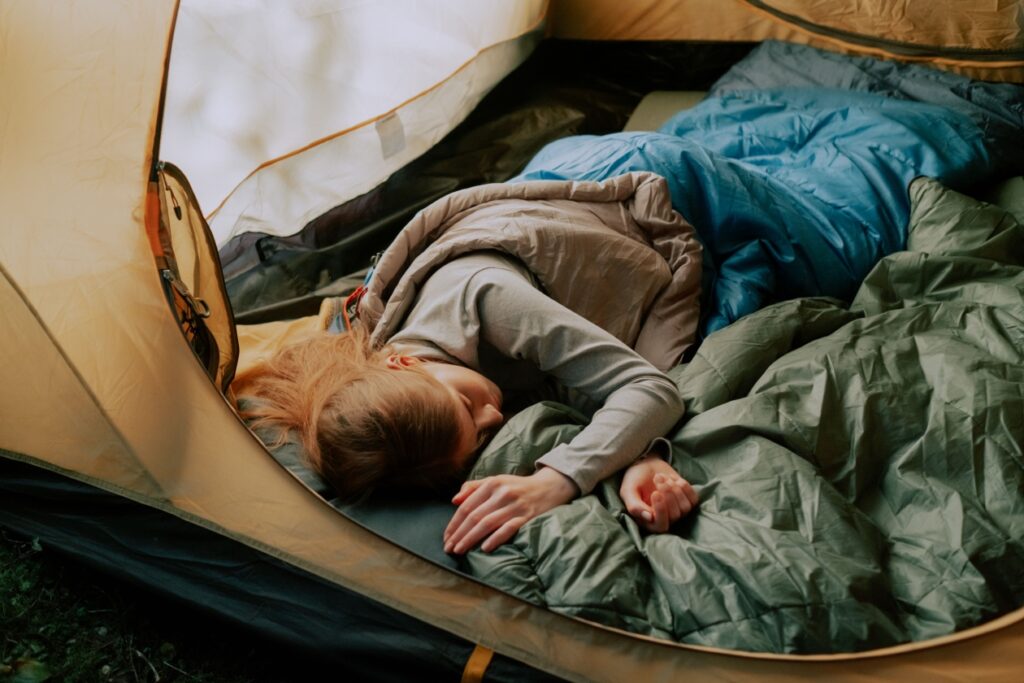
Photo: cottonbro studio
A sleeping bag is the one piece of gear where the wrong choice actually ruins a trip. Too warm and you are unzipping it at 2am; too cold and you are lying awake doing math about how many hours until sunrise. Here is how to actually get this right.
Start With the Temperature Rating, Then Ignore Half of It
Every bag lists a temperature rating, and almost nobody should trust it at face value. That number is typically the “survival” rating, not the “comfortable sleep” rating. The practical rule: subtract 10 to 15 degrees from the label for the temperature you will actually be comfortable at. If you expect nights in the 40s, look for a bag rated to the 20s or 30s, not one rated exactly to 40.
Shop 3-Season Sleeping Bags on Amazon →
Mummy vs. Rectangular: This Is a Real Tradeoff
Mummy bags are warmer for their weight because there is less empty air space for your body to heat, but they restrict movement and some people find them genuinely claustrophobic. Rectangular bags let you move and even unzip fully as a blanket on warm nights, at the cost of being less efficient in genuinely cold weather. If you are car camping and warmth is not a survival issue, a rectangular bag is often the more comfortable choice for actual sleep quality.
Insulation: Down vs. Synthetic
Down packs smaller and stays warmer for its weight, but loses almost all insulating power when wet and costs more. Synthetic insulation is heavier and bulkier but keeps insulating even damp, dries faster, and costs less. For car camping specifically — where pack weight barely matters and a stray splash or morning dew is a real possibility — synthetic is usually the more practical, comfort-first choice.
Shop Synthetic Sleeping Bags on Amazon →
The Detail Most Buying Guides Skip: What’s Underneath You
A sleeping bag only insulates what is above and beside you — your body weight compresses the insulation directly underneath to almost nothing. This is why people who are “cold all night” often own a perfectly good bag and just have no sleeping pad, or a thin one. Pairing your bag with a real sleeping pad matters more for comfort than most people realize before their first genuinely cold night outside.
Shop Insulated Sleeping Pads on Amazon →
The Bottom Line
Buy for 10 to 15 degrees colder than you expect, pick rectangular over mummy unless true cold-weather warmth is the priority, lean synthetic for car camping, and never skip the sleeping pad underneath. Get those four things right and the bag itself stops being the thing keeping you up at night.
Related
Gear Reviews
Comfort-tested picks worth packing on your next trip.


Want More Like This?
Join our list for new gear guides, campsite finds, and comfort-camping tips. No spam, unsubscribe anytime.