This post contains affiliate links. If you buy through them, we may earn a commission at no extra cost to you. Full disclosure here.
Photo: Anthony Shkraba
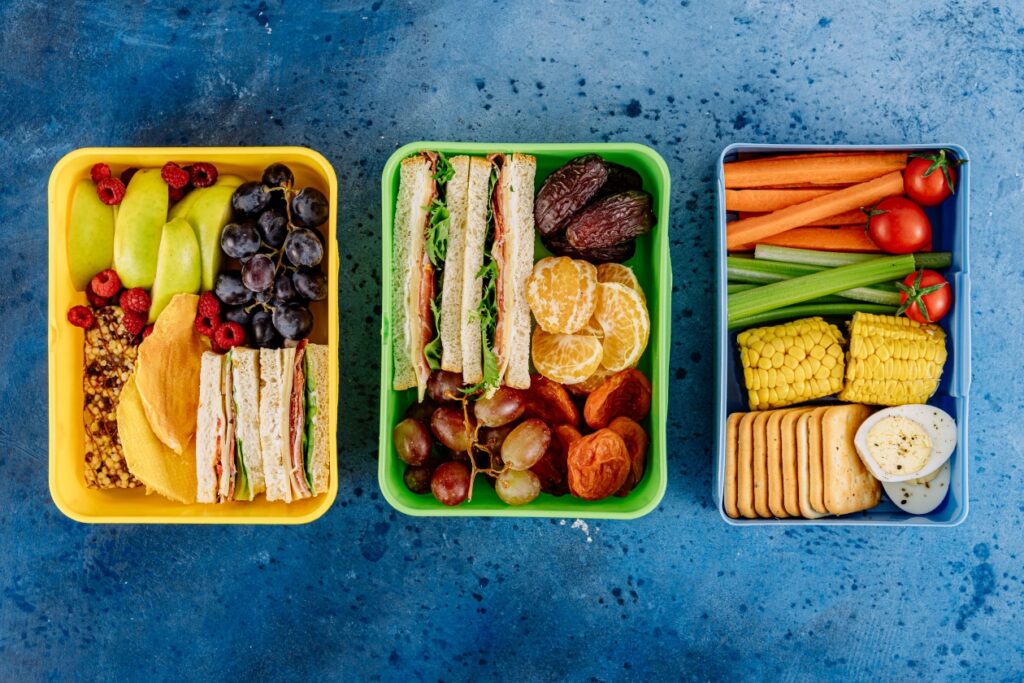
A cooler that cannot hold temperature turns real food into a genuine risk by day two, and a campsite with unsecured food is an invitation for exactly the wildlife visit nobody wants. Both problems share the same fix: keep food cold, sealed, and stored somewhere animals cannot reach it.
Pre-Chill the Cooler Before You Ever Load It
Ice maintains cold, it does not create it. Loading warm food into a room-temperature cooler wastes most of your ice just cooling the cooler itself down first. Pre-chill it 12 to 24 hours ahead by tossing in a bag of cheap ice the night before, letting it cool the walls and insulation, then dumping the melt water right before you actually pack for real.
Shop Rotomolded Coolers on Amazon →
Everything Going In Should Already Be Cold
Refrigerate or freeze food before it ever reaches the cooler. Frozen meat is even better, since it acts as its own ice pack while it thaws. Block ice beats cubed ice for longevity — less surface area per volume means slower melting, which is exactly what you want on a multi-day trip.
Pack It in Layers, Not All at Once
Put what you will eat last on the bottom, closest to the ice, and what you need first on top. Keep raw meat double-bagged at the very bottom so it cannot leak onto anything else. If you are bringing drinks people will grab constantly, use a second, separate cooler for those specifically — every time the food cooler opens, cold air escapes.
Shop Reusable Ice Packs on Amazon →
Keeping Wildlife Out of the Equation
Store all scented items — food, coolers, trash, even toiletries — in a bear box where available, or locked in your vehicle overnight. Never store food inside your tent, and in bear country, follow the posted regulations exactly rather than improvising. A latching cooler with an actual locking mechanism is worth it if you are camping anywhere with regular wildlife traffic.
Know When to Actually Throw Food Out
Do not let perishable food sit out for more than one hour above 90°F, or two hours in cooler weather. When reheating, poultry and leftovers should hit 165°F, ground meat 160°F, and whole cuts of beef, pork, or fish 145°F. A cheap food thermometer removes all the guesswork here.
Shop Food Thermometers on Amazon →
The Bottom Line
Pre-chill the cooler, load it already-cold, pack in layers with raw meat at the bottom, keep scented items locked away from wildlife, and respect the time and temperature limits once food comes back out. Get those right and food safety stops being something you have to think about mid-trip.
More Campout Cooking
Gear Reviews
Comfort-tested picks worth packing on your next trip.


Want More Like This?
Join our list for new gear guides, campsite finds, and comfort-camping tips. No spam, unsubscribe anytime.