This post contains affiliate links. If you buy or book through them, we may earn a commission at no extra cost to you. Full disclosure here.
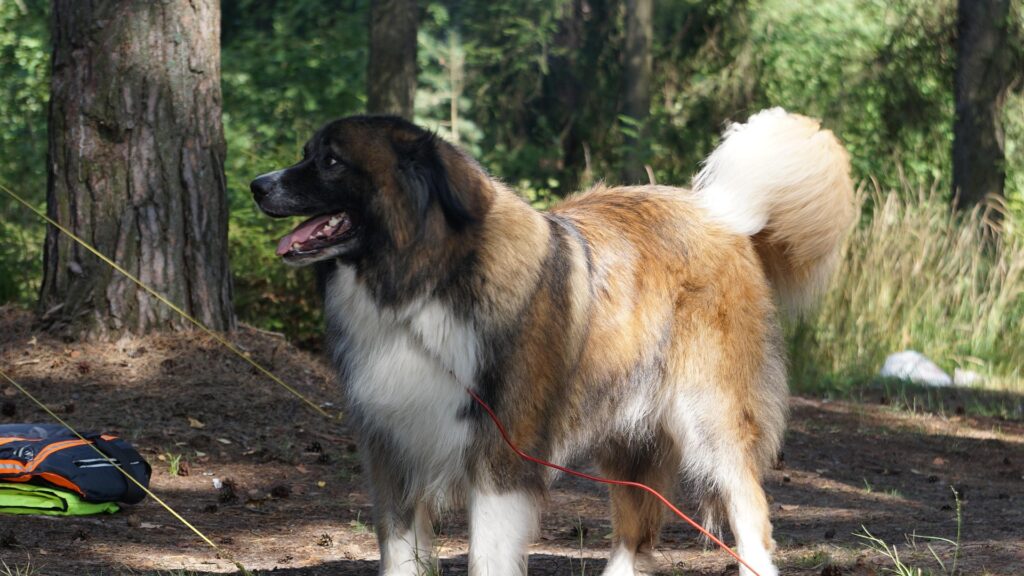
More people are bringing their dogs on trips instead of leaving them behind, and glamping turns out to be one of the best ways to do it. You get the space and freedom of camping without the strict no-pets policies that rule out most hotels — and unlike a tent on bare ground, a lot of glamping setups actually work better for a dog than they do for backpacking.
If you are considering it for the first time, here is what actually matters.
What to Ask Before You Book
Pet policies vary enormously between properties, even within the same glamping company. Before you book, it is worth confirming:
- Pet fees and size/breed restrictions. Some properties charge a flat pet fee per stay; others charge per night. Some cap the number of pets or the weight class allowed.
- Which areas are off-limits. Many properties welcome pets in the tent or cabin but keep them out of shared lounges, pools, or dining areas. Better to know going in than to find out at check-in.
- On-site trails and off-leash areas. A property with its own marked trails means your dog gets real exercise without you having to drive somewhere else first.
- What is actually provided. Some higher-end properties supply a dog bed, bowls, and even a welcome treat; others expect you to bring everything. Do not assume either way.
We keep pet-friendly, well-reviewed stays flagged in our directory — and for last-minute or flexible bookings, a platform like Campspot lets you filter by amenities and see real-time availability, which is genuinely useful for confirming a property current pet policy before you commit.
Packing for a Dog, Not Just Yourself
- A leash long enough for camp, plus a shorter one for trailheads — different situations call for different lengths, and having both saves you from constantly adjusting one.
- A comfortable bed or blanket that smells like home. New environments are a lot for a dog to process; something familiar to sleep on helps more than you would expect.
- A lit-up collar or tag for nighttime bathroom trips around an unfamiliar site.
- Enough food and water for the trip, plus a bit extra — do not count on a rural camp store stocking your dog specific food.
- A basic first-aid kit that covers paw injuries and tick removal, not just human scrapes.
Safety Basics Worth Taking Seriously
None of this is meant to be alarming — it is just the short list that actually prevents the bad outcomes:
- Keep them leashed, even at a pet-friendly property. It is the single biggest factor in avoiding wildlife encounters, and it keeps a spooked dog from bolting into traffic or off a trail edge.
- Check National Park pet rules specifically if your trip includes one nearby. Most parks restrict dogs to a narrow set of paved or developed-area trails, not the backcountry ones you might picture.
- Bring more water than you think you need for hikes, especially in warm weather — dogs overheat faster than people do and cannot tell you when they are in trouble.
- Never leave a dog unattended in a tent or cabin for long stretches, even a pet-friendly one. New sounds and smells can trigger anxiety-driven damage or an escape attempt that would not happen at home.
The Bottom Line
A pet-friendly glamping trip takes a bit more upfront homework than booking for yourself alone — a few extra questions before you book, a slightly fuller packing list, and a bit more attention to leashes and water. In exchange, you get to skip the guilt of leaving your dog behind and the stress of a pet-unfriendly hotel. For most dogs, a few days at a well-chosen glamping site is a genuinely good time — new smells, more space to explore, and you right there the whole trip.
Browse pet-friendly stays in our directory, or start with the general Camping Comfort Checklist if you are still working out the rest of your gear.
More Around the Campfire
Gear Reviews
Comfort-tested picks worth packing on your next trip.
Want More Like This?
Join our list for new gear guides, campsite finds, and comfort-camping tips. No spam, unsubscribe anytime.