This post contains affiliate links. If you buy through them, we may earn a commission at no extra cost to you. Full disclosure here.
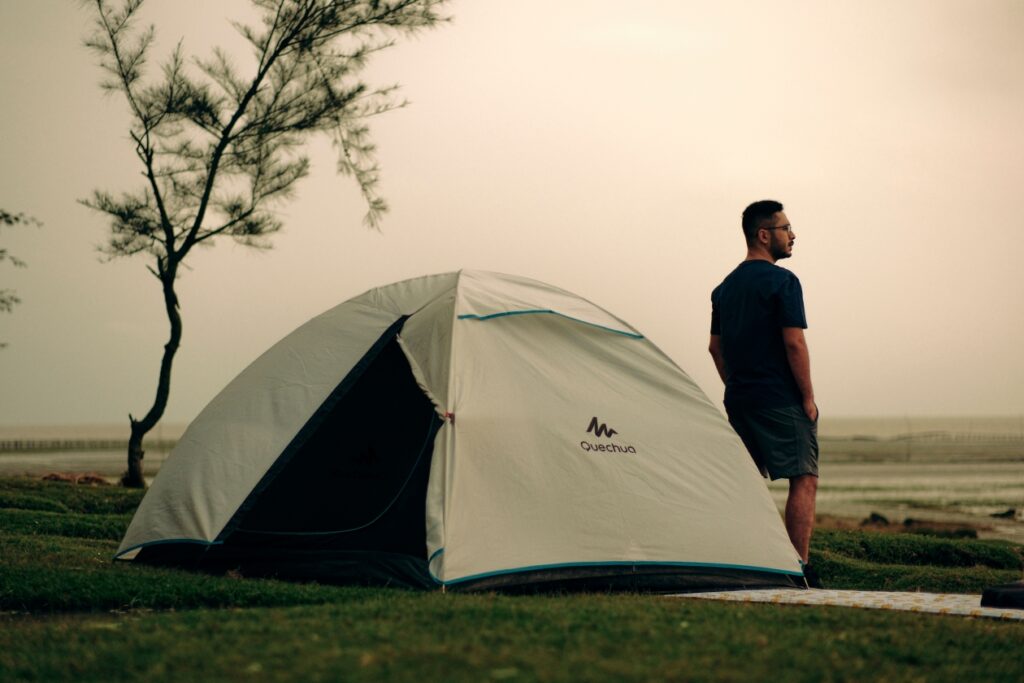
Most “best tent” guides are written for backpackers counting ounces. This one isn’t. The car does the carrying, so the only thing that matters is whether you’ll actually be comfortable living in it for a weekend.
Drive-Up Tent vs. Backpacking Tent: Why It Matters
Backpacking tents are built to be light and small, which means low ceilings, tight floor space, and thin materials — fine for one night on a trail, miserable for a family weekend at a campsite. Dedicated drive-up (or “cabin style”) tents flip those priorities: taller ceilings you can stand up in, more floor space per person, and heavier, more durable materials that hold up to real storms rather than just surviving them.
The tradeoff is weight — a good drive-up tent can run 15-70+ pounds versus 3-5 for a backpacking tent. That weight is irrelevant when it’s riding in your trunk, not your pack.
What Size Do You Actually Need?
The golden rule: take the number of people sleeping in the tent and add at least two “phantom campers” worth of space. A tent rated for 4 people comfortably sleeps 2 with room for gear. A “6-person” tent is realistic for a family of 4.
- Solo or couple: A 4-person tent gives you real breathing room, not just floor space for two sleeping pads side by side.
- Family of 4: Look at 6-8 person tents, ideally with a room divider if you want separate sleeping areas for kids and adults.
- Larger groups or extended family: Cabin-style 8-10 person tents with multiple rooms are worth the extra bulk — genuinely feel like a small house once set up.
What Actually Matters When Comparing Tents
Peak Height
The difference between a 52-inch peak height and a 75-inch one is the difference between crouching all weekend and standing up to get dressed. If you can’t stand up in it, expect a lot of stiff backs.
Vestibule Space
A covered vestibule (the awning-style space outside the door) is where wet boots, muddy dogs, and gear bags live so they don’t end up inside your sleeping space. Bigger is genuinely better here — it’s the difference between a dry staging area and tripping over gear every time it rains.
Setup Time
Some cabin-style tents genuinely take two people and 20+ minutes to pitch. Others use color-coded poles and clip systems that get you set up solo in under 10. If you’re setting up in fading daylight after a long drive, this matters more than most spec sheets let on.
Ventilation
Mesh panels and adjustable vents prevent your tent from turning into a sauna on warm nights or a condensation-soaked mess on cool ones. Check for mesh windows on multiple walls, not just the door.
A Few Honest Realities
- Canvas tents (the classic thick-walled style) breathe better in heat, insulate better in cold, and last for decades — but they’re heavy (50-70+ lbs) and pricier. Worth it if you camp often.
- Poly/nylon dome and cabin tents are lighter, cheaper, and easier to set up — the right call if you’re camping a few times a year rather than every month.
- Waterproofing degrades over time. Even a great tent needs a seam-sealer or waterproofing spray refresh every couple of seasons if you camp in real weather.
The Bottom Line
Buy one size bigger than you think you need, prioritize peak height and vestibule space over brand names, and don’t feel bad about the weight — that’s exactly what the car is for.
See current camping tent options →
Building out the rest of your sleep setup? Check our Sleep-Comfort Gear Guide for pads, pillows, and bags to go with it.
Related Gear Guides
Gear Reviews
Comfort-tested picks worth packing on your next trip.

Want More Like This?
Join our list for new gear guides, campsite finds, and comfort-camping tips. No spam, unsubscribe anytime.