This post contains affiliate links. If you buy through them, we may earn a commission at no extra cost to you. Full disclosure here.
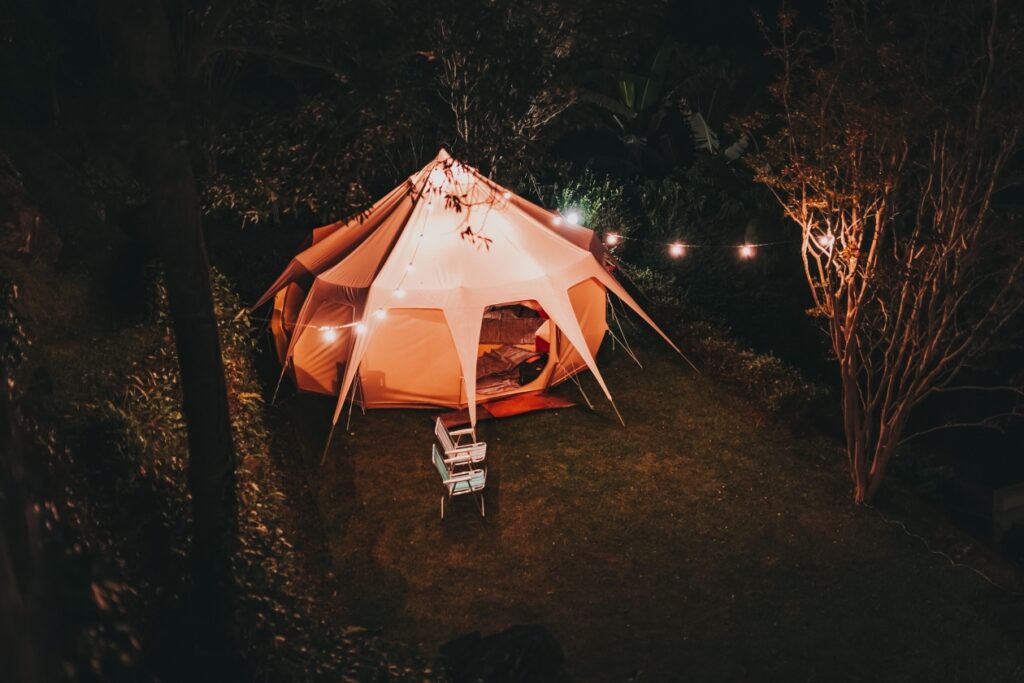
Photo: Bertellifotografia
Most camping advice stops at “bring a good sleeping bag.” That’s not actually why people sleep badly outside.
The Real Problem Is the Ground, Not the Bag
A sleeping bag’s temperature rating assumes you have adequate insulation underneath you — it doesn’t account for the ground pulling heat out of your body all night. This is why people who buy an expensive, well-rated bag still wake up cold: the ground beneath them was never actually addressed. A proper sleeping pad with a real R-value (the measure of how well it resists heat loss) matters as much as the bag itself, sometimes more, especially on cool nights or hard ground.
A camp cot solves the same problem a different way — instead of insulating against the cold ground, it gets you off it entirely. The Coleman ComfortSmart Big & Tall Cot adds a plush mattress pad on top of a steel frame, which also solves a second problem at the same time: rocks, roots, and uneven ground stop mattering once you’re raised above them.
Light Pollution Is Worse Than You’d Expect
Tents let in far more ambient light than most people anticipate — a nearby campfire, a neighboring site’s lantern, or even a bright moon can be enough to disrupt sleep, especially for anyone used to a fully dark bedroom at home. An eye mask is a small, cheap fix that solves this more reliably than trying to control every light source around your site, which you generally can’t.
Noise Doesn’t Work the Way You Think
Campsites are rarely silent, but the issue usually isn’t loudness — it’s unpredictability. A consistent white noise source (a fan, a phone app, even the sound of a nearby stream) actually helps mask sudden, irregular sounds like a neighboring site’s conversation or wildlife rustling through brush, which are what actually jolt people awake, not steady background noise itself.
Treating a Campsite Like a Hotel Room Backfires
A common mistake is under-preparing for temperature swings, assuming the daytime weather will hold through the night. Temperatures can drop significantly after dark even during a warm-weather trip, and by the time you notice you’re cold, you’re already awake and uncomfortable. Layering options you can add during the night, kept within reach rather than packed away, solve this before it becomes a problem.
The Bottom Line
Good sleep at a campsite comes from addressing the ground, the light, and the noise — not just upgrading the bag. Small, specific fixes solve most of what actually keeps people up at night outside.
More Camping Tips
Gear Reviews
Comfort-tested picks worth packing on your next trip.


Want More Like This?
Join our list for new gear guides, campsite finds, and comfort-camping tips. No spam, unsubscribe anytime.